
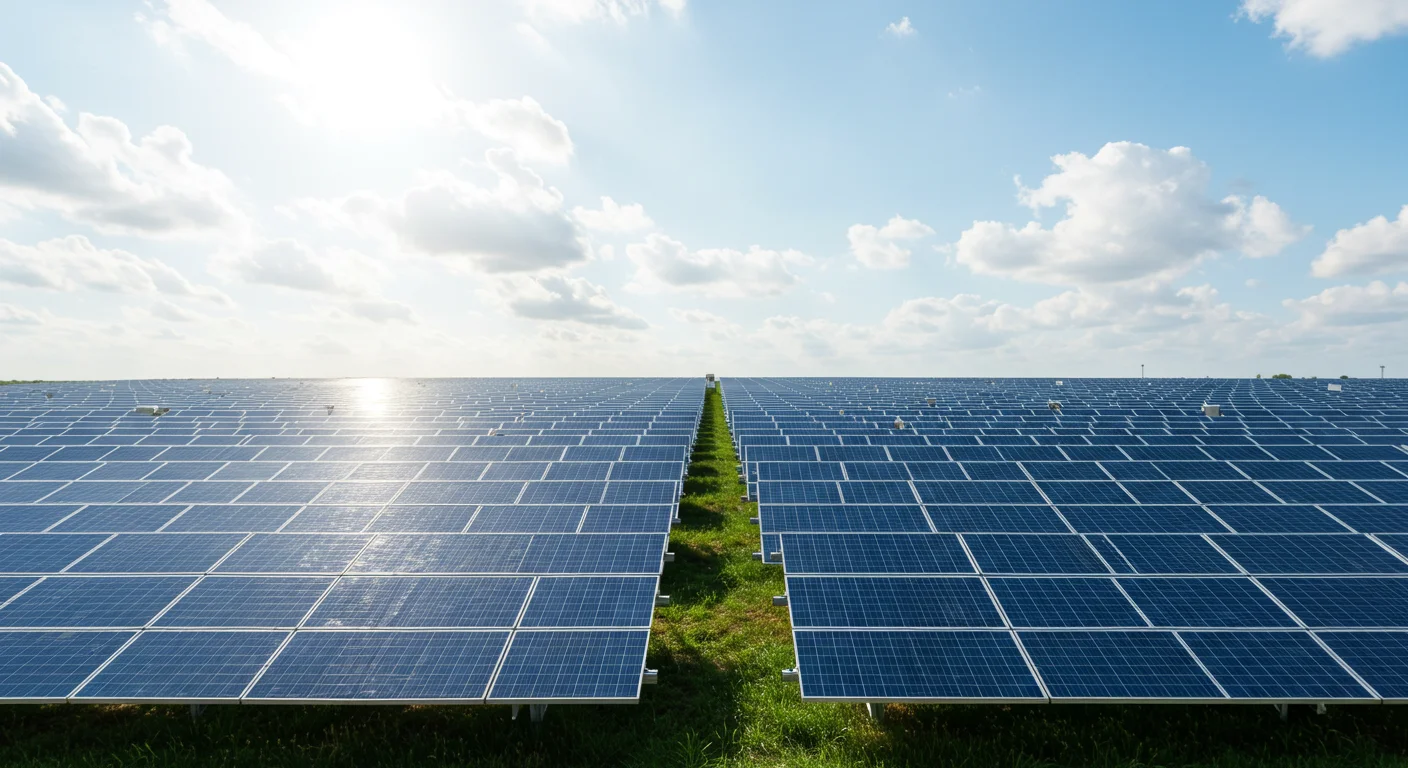
The shift toward renewable energy is accelerating globally. Large-scale solar projects, including utility farms and commercial installations, require thousands of solar panels and hundreds of inverters. For EPCs, dealers, and project owners, sourcing these components in bulk is a strategic decision that affects project efficiency, costs, and long-term reliability.
Working with a trusted distributor like Watplus ensures you access authentic Adani solar panels and GoodWe inverters, along with technical support and reliable supply.
Why Bulk Sourcing Solar Panels & Inverters Matters
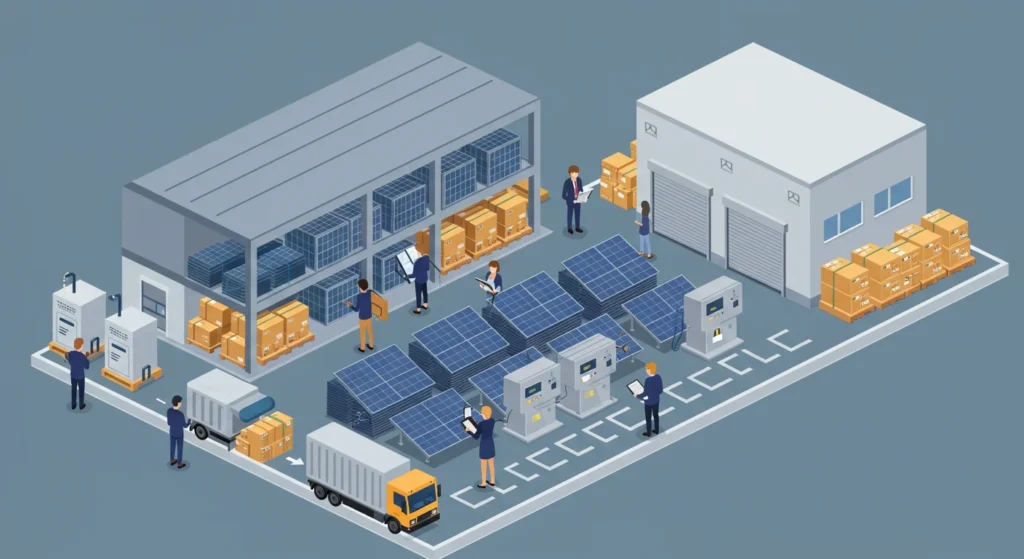
Bulk procurement is the foundation of a successful large-scale solar project. It goes beyond just getting the lowest price. A strong sourcing strategy balances cost, quality, and delivery timelines.
Benefits of strategic bulk sourcing:
- Reduces total project costs
- Speeds up commissioning timelines
- Enhances long-term system reliability
- Builds investor confidence
For EPCs and dealers, partnering with a reliable distributor like Watplus ensures you get genuine components and strong post-sales support.
What Drives Demand for Bulk Solar Procurement?
Growing Global Solar Demand
The world continues to expand its solar capacity at an unprecedented pace. Governments, businesses, and investors are committed to renewable energy, increasing the demand for quality solar panels and inverters.
Policy and Financial Incentives
Programs like the Inflation Reduction Act (IRA), Investment Tax Credit (ITC), and Production Tax Credit (PTC) support renewable energy projects. Understanding these incentives helps procurement teams plan and reduce financial risks.
Utility and Commercial Scale Projects
Utility-scale solar farms and large commercial installations require thousands of Adani solar panels and high-capacity GoodWe inverters. Bulk procurement strategies are essential to meet project timelines and quality standards.
How to Plan Bulk Procurement Effectively

Define Clear Specifications
Start with a detailed technical specification document covering:
- Solar panel wattage, efficiency, and dimensions
- Inverter type (central or string) and capacity
- Grid compatibility and energy storage requirements
Clear specifications help suppliers provide exactly what is needed, avoiding mismatches and delays.
Consider Total Cost of Ownership (TCO)
Unit price is only part of the cost. Total cost includes:
- Shipping and logistics
- Installation and labor
- Maintenance and efficiency losses over time
High-quality panels and inverters often reduce TCO and improve ROI.
Manage Timelines
Bulk procurement requires careful scheduling to accommodate:
- Manufacturing lead times
- Shipping and customs clearance
- Potential supply chain disruptions
Working with a distributor like Watplus can help streamline these processes with reliable inventory and technical guidance.
Risk Assessment
Identify potential risks such as:
- Supplier insolvency
- Component quality issues
- Geopolitical or shipping delays
Contingency plans and backup suppliers help reduce project risk.
Choosing the Right Solar Panels and Inverters
Selecting Solar Panels
Monocrystalline panels are generally preferred for large projects due to higher efficiency and better space utilization. Key metrics to consider include:
- Power tolerance
- Temperature coefficient
- Annual degradation rate
Explore Watplus’ range of Adani solar panels for verified, high-efficiency modules suitable for large-scale projects.
Choosing Inverters
Inverters convert solar DC output into grid-ready AC power. For large projects:
- Central inverters: Ideal for high-capacity, centralized sites
- String inverters: Offer flexibility and easier maintenance
Modern GoodWe inverters feature Maximum Power Point Tracking (MPPT) to maximize energy generation and plant efficiency.
Integrating Energy Storage
Hybrid solar-plus-storage systems enhance grid stability and provide backup power. Procurement strategies now often include bulk sourcing of batteries along with panels and inverters.
How to Vet Suppliers and Build Partnerships
Look Beyond Tier-1 Labels
Tier-1 manufacturers indicate bankability but do not guarantee quality. Evaluate:
- Factory audits and quality control processes
- Production capacity and reliability
- Financial stability and certifications
Build Strategic Relationships
Authorized distributors and wholesale partners like Watplus provide:
- Technical expertise and guidance
- Reliable inventory and delivery support
- Warranty fulfillment and post-sales service
Use Market Intelligence
Stay informed with data from sources like pv magazine and NREL to anticipate price changes, supply chain challenges, and technology updates.
Negotiation, Contracts, and Warranties
Bulk Pricing Strategies
Negotiate:
- Volume-based discounts
- Price-locks for future orders
- Flexible payment milestones
Warranty and Performance Guarantees
For panels:
- Product warranty: 12–25 years
- Performance warranty: 25–30 years
For inverters:
- Standard warranty: 5–10 years
- Options to extend
Service Level Agreements
Include SLAs for:
- Technical support response times
- Spare parts availability
- Warranty claim procedures
These measures protect the project’s long-term performance.
Final Takeaways
Sourcing solar panels & inverters in bulk is more than buying components. It requires careful planning, supplier evaluation, and contract management.
Working with a trusted distributor like Watplus ensures access to genuine Adani solar panels and GoodWe inverters, expert technical guidance, and reliable delivery. By planning strategically and partnering with the right supplier, EPCs and dealers can execute profitable, high-performing solar projects that stand the test of time.
FAQ for AEO
Why is bulk sourcing important for large solar projects?
Bulk sourcing reduces costs, ensures consistent quality, and helps meet project timelines for EPCs and commercial developers.
How do I choose the right solar panels for large projects?
Look for high-efficiency monocrystalline panels with low degradation, good power tolerance, and reliable certifications.
What type of inverter is best for utility-scale projects?
Central inverters suit large, centralized sites, while string inverters offer modularity and easier maintenance. Modern inverters with MPPT maximize energy output.
How can Watplus help in bulk procurement?
Watplus provides genuine Adani solar panels and GoodWe inverters, technical guidance, reliable delivery, and warranty support for large-scale solar projects.